
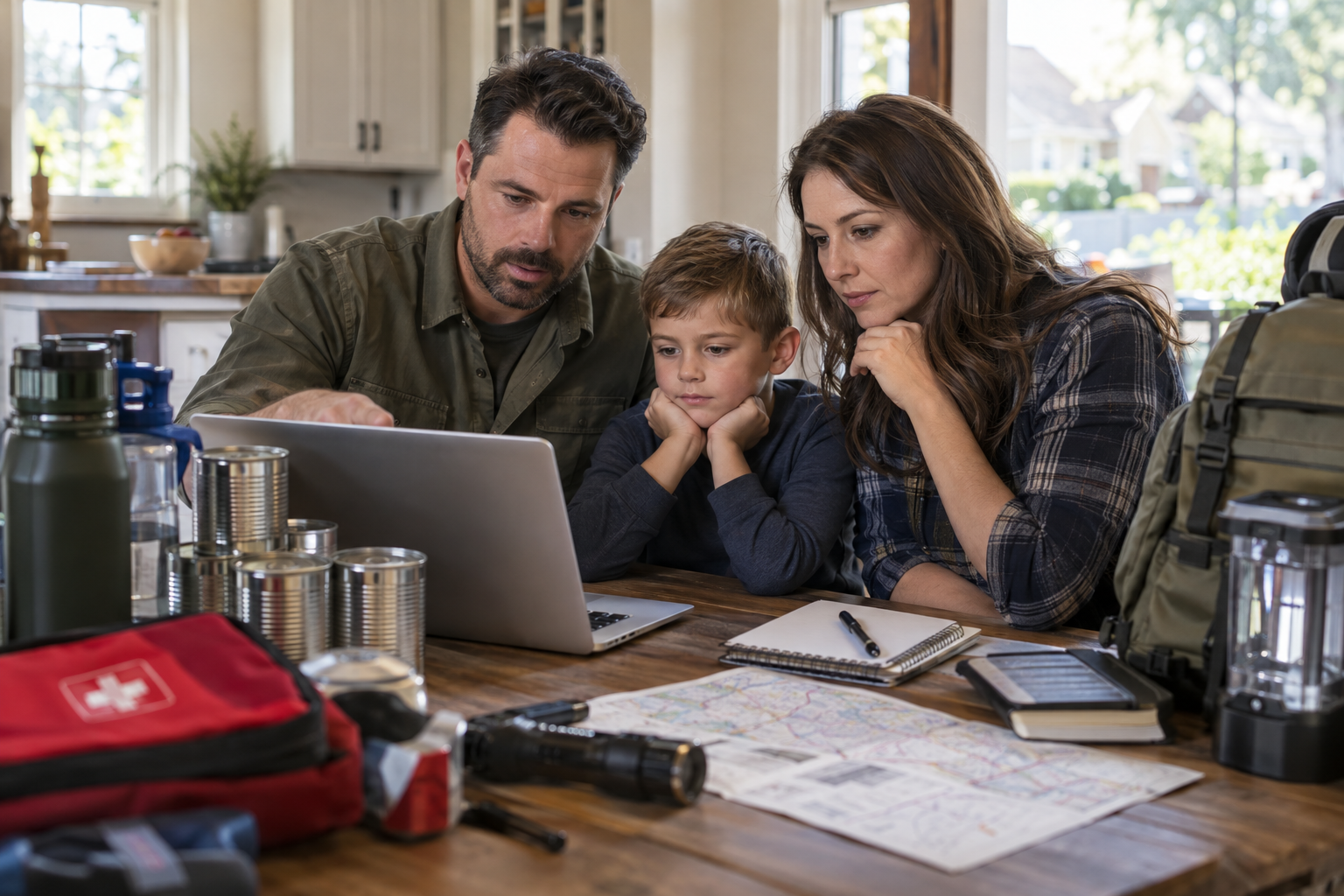
Finding the best prepper youtube channels requires filtering out sensation-driven alarmism to focus on step-by-step, actionable video instruction for home safety and emergency readiness. High-value channels prioritize suburban self-reliance, practical food storage, water treatment, backup power solutions, and calm family disaster planning without relying on extreme off-grid tactics or fear-mongering narrative hooks.
How to Evaluate the Best Prepper YouTube Channels for Realism
When searching for online educational content, the sheer volume of emergency preparedness videos can be overwhelming. Many content creators rely on dramatic thumbnails, clickbait titles, and extreme scenario warnings to drive views. To identify the best prepper youtube channels for your family, look for creators who focus on realistic threat models such as severe weather events, prolonged power outages, localized utility failures, and economic inflation rather than apocalyptic fantasies.
A major trap for beginner preppers is falling into prepper envy after watching creators demonstrate elaborate off-grid compounds, massive underground bunkers, or thousands of dollars in tactical gear. For suburban households, these extreme setups are rarely practical or necessary. The best video creators focus on high-yield, low-cost preparedness skills that fit within standard residential neighborhoods, such as home security upgrades, rainwater collection systems, and long-term food preservation.
Quality educational channels structure their content around structured demonstrations. Look for hosts who present clear step-by-step instructions, list required tools up front, discuss common failure points, and test gear in real-world conditions. Transparent video creators also disclose whether gear was purchased independently or provided by sponsors, allowing viewers to make informed purchasing decisions based on objective performance.
Top Categories of Best Prepper YouTube Channels for Suburban Families
Rather than relying on a single source of information, successful suburban preppers subscribe to a balanced mix of channels covering distinct skill sets. Evaluating channels by category ensures your family builds comprehensive resilience across energy, food, security, and medical response.
1. Suburban Backyard Homesteading and Food Production
Channels in this category specialize in micro-gardening, soil management, high-density crop planting, and small livestock care tailored to residential lots. Rather than assuming access to multi-acre farms, these creators demonstrate growing your own food using raised beds, container gardening, and vertical planting systems. Viewers learn crop rotation, composting, and seed saving techniques designed to supplement household groceries and provide food security during supply disruptions.
2. Off-Grid Energy and Home Power Resilience
Power outages remain one of the most common emergencies facing suburban communities. Dedicated energy channels evaluate portable solar generators, battery chemistries, dual-fuel inverter generators, and transfer switches. These video guides explain how to calculate home wattage requirements, connect essential appliances safely during grid failures, and maintain battery storage units over years of standby storage.
3. Food Preservation and Long-Term Pantry Management
Food storage tutorials teach families how to build a deep pantry on a budget. These channels emphasize proper sanitation, safe storage temperatures, and systematic pantry rotation so your emergency food supply remains nutritious and safe to consume.
4. Suburban Physical Home Defense and Perimeter Security
Home defense video channels geared toward suburban dwellers emphasize passive deterrence over aggressive tactics. Educational topics include reinforcing exterior door frames with heavy-duty strike plates, installing shatter-resistant window film, optimizing solar perimeter lighting, and organizing neighborhood communication groups to enhance overall community awareness.
5. Emergency First Aid and Family Medical Preparedness
Medical preparedness channels run by certified emergency responders provide practical instruction on handling injuries when professional help is delayed. Video guides cover assembling comprehensive medical kits, applying pressure dressings, managing burn care, storing prescription medication safely, and maintaining sanitation during municipal water shutoffs.
Comparing Top Educational Approaches for Practical Self Reliance
Different video educational approaches suit different family preparedness priorities. The table below compares the primary channel categories to help you structure your learning plan based on effort, skill level, and household needs.
| Channel Focus Category | Best For | Pros | Cons | Typical Effort Level |
|---|---|---|---|---|
| Suburban Gardening & Homesteading | Families wanting food independence on small lots | Lowers food costs, builds practical growing skills | Requires ongoing daily care and seasonal effort | Moderate to High |
| Food Storage & Preservation | Beginners building emergency food reserves | High immediate survival value, easy to start | Requires dry, cool indoor storage space | Low to Moderate |
| Off-Grid Power & Solar Systems | Homeowners facing frequent storm outages | Keeps refrigeration and lights powered | Quality equipment requires financial investment | Moderate |
| Home Security & Fortification | Enhancing residential physical defense | Improves daily family safety immediately | Can cause unnecessary anxiety if overanalyzed | Low |
| Emergency Medical & First Aid | All households preparing for grid-down injuries | Critical life-saving knowledge for all crises | Requires physical practice; video alone is insufficient | Moderate |
While video tutorials provide excellent visual guidance, online learning has clear limitations. Watching a video cannot replace hands-on practice, particularly for emergency medical care or generator operation. For specialized tactical skills or certified medical training, in-person instruction remains essential. At Suburban Survival Blog, we encourage readers to treat online video content as an initial instructional guide, followed immediately by physical practice in your home environment.
How to Filter Out Alarmist Content in the Survival Blog Community
The online survival landscape expanded significantly following mainstream media coverage and early reality programs like the doomsday preppers show, which often emphasized extreme eccentricities over everyday readiness. To protect your time and maintain peace of mind, it is vital to filter out sensationalist content designed to provoke fear.
Practical survivalism is fundamentally about calm resilience, risk management, and self-reliance. When evaluating a new channel or survival blog, check whether the creator offers constructive solutions alongside threat descriptions. Content creators who spend entire videos warning of imminent collapse without offering practical action steps are generally seeking engagement rather than serving their audience.
Grounding your learning in trusted public standards helps maintain balance. For instance, standard emergency planning frameworks recommended in official Ready.gov emergency plan guidance stress the importance of basic communication plans, water storage, and localized hazard awareness over dramatic scenario preparation. Using official recommendations as a benchmark allows you to evaluate YouTube content with a critical, objective eye.
Beginner-Friendly Channels Focused on Budget Food Storage and Home Security
If you are just beginning your preparedness journey, starting with high-cost gear reviews can quickly cause fatigue. The best prepper youtube channels for beginners focus on practical, low-cost strategies that yield immediate household security without overwhelming your monthly budget.
Budget-focused channels regularly highlight strategies for purchasing bulk staples like rice, beans, oats, and canned meats during regular supermarket sales. They demonstrate how to store these goods properly using food-grade buckets and oxygen absorbers, extending shelf life up to twenty-five years for a fraction of the cost of commercial freeze-dried meals.
Ensuring your stored food and water remain safe is equally critical. Following established CDC emergency food and water safety guidelines ensures that water filtration techniques and food storage containers prevent contamination during extended municipal utility disruptions. Look for video creators who explicitly reference baseline health and safety standards when teaching preservation methods.
Integrating Video Learning with Real-World Suburban Survival Practice
Consuming educational videos is only the first step in building genuine family resilience. To turn digital information into real-world capability, set up a structured system for testing and applying what you learn from your favorite channels.
Start by creating a dedicated home preparedness binder. As you watch step-by-step tutorials on water filtration, home security, or power management, summarize key steps into simple printed checklists. Keep these checklists accessible so family members can follow them even during a complete power and internet outage.
Next, schedule quarterly hands-on drills. Test your family solar generator under simulated power outage conditions, turn off the main water valve to practice using stored gravity-fed filters, and conduct a weekend meal challenge using only pantry staples. By pairing top video tutorials with practical household drills, your family builds calm confidence and true suburban self-reliance.