
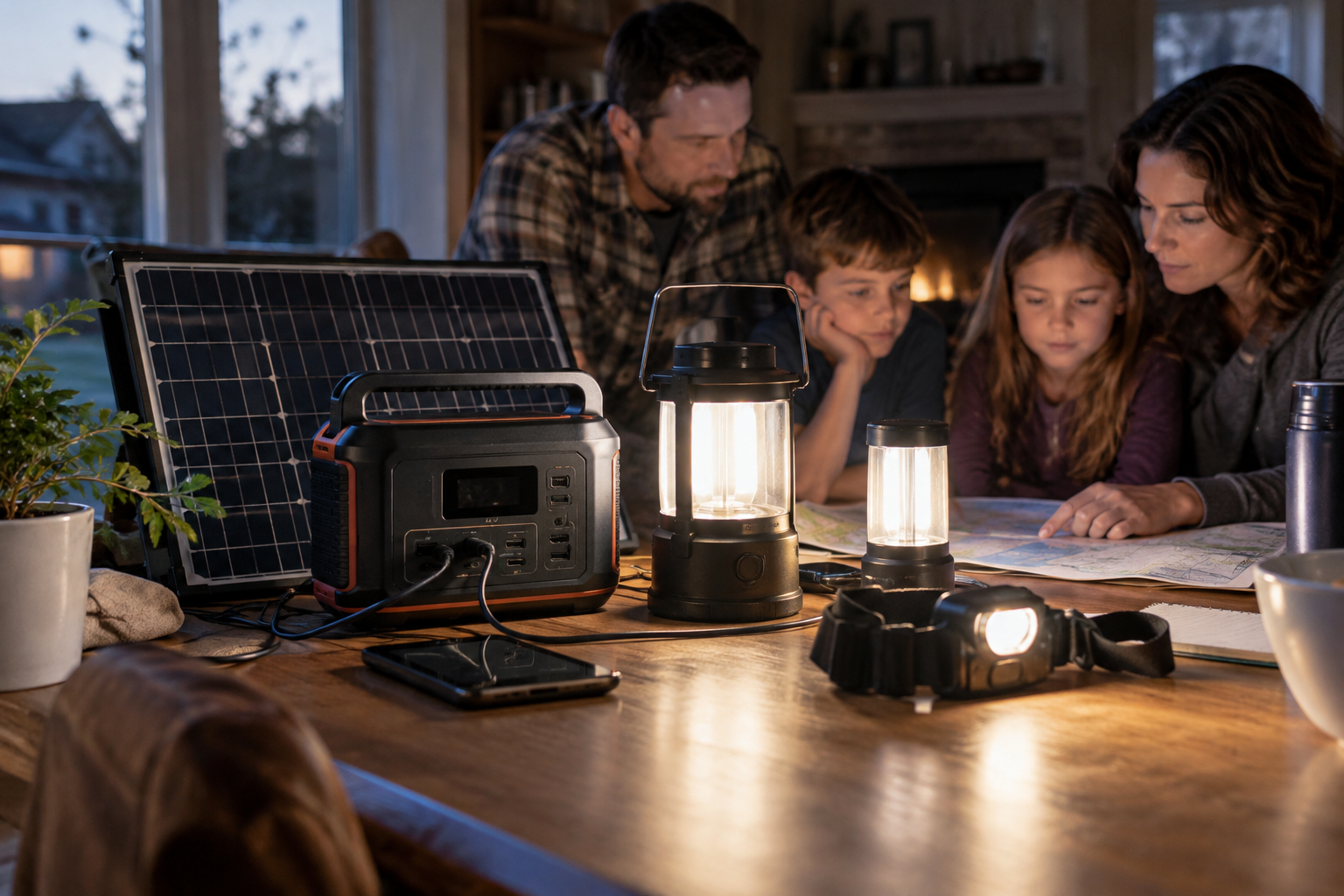
A hybrid light is an emergency illumination device equipped with dual-power charging systems, typically combining integrated photovoltaic solar panels with micro-USB or USB-C rechargeable internal lithium storage cells. This dual capability ensures continuous operation during extended electrical grid disruptions, allowing suburban households to recharge lighting gear through sunlight during the day or standard grid power prior to emergencies.
Understanding How a Hybrid Light Operates During Extended Blackouts
During severe weather events, grid overloads, or infrastructure failures, access to conventional electrical outlets can remain offline for days or weeks. Emergency lighting systems that rely exclusively on disposable alkaline batteries present logistical challenges, as battery reserves quickly deplete during prolonged events. Dual-power hybrid lighting technology solves this bottleneck by pairing high-efficiency light-emitting diode (LED) arrays with multiple energy generation sources.
Readers asking what is a hybrid flashlight often find that these tools combine energy storage with renewable solar capture inside a ruggedized chassis. Under standard operating conditions, the primary power source relies on high-capacity internal lithium-ion or lithium-iron phosphate batteries. When grid power disappears, the built-in micro-solar panel collects ambient light to replenish energy storage cells daily, eliminating total dependence on pre-stored disposable batteries.
Modern hybrid flashlights and lanterns also incorporate low self-discharge rates. High-quality solid-state electronics allow these units to retain electrical charge for years while stored inside emergency kits, vehicle consoles, or basement utility shelves. When removed from storage during a crisis, they provide immediate high-lumen illumination while remaining ready for solar replenishment as soon as daylight arrives.
Key Features to Look for in an Emergency Hybrid Light
Selecting reliable illumination gear requires evaluating durability, lumen output, battery capacity, and charging efficiency. When choosing an emergency hybrid light for household preparedness, prioritize units housed in high-impact, shatterproof polycarbonate or anodized aluminum bodies. Emergency gear must withstand accidental drops onto concrete garage floors or damp outdoor terrain during severe storm recovery efforts.
Ingress protection (IP) ratings are another critical specification. Look for lighting gear rated at IPX6 or IPX7 water resistance, ensuring the unit continues operating in heavy rainfall or high-humidity environments. According to Ready.gov emergency power outage guidance, keeping reliable, water-resistant backup lighting ready in accessible household locations is a foundational step for family safety during sudden utility failures.
Illumination modes should also match your household needs. Multi-mode lights that allow users to toggle between high-beam directional spotlights, low-drain ambient room illumination, and red hazard flashers preserve battery reserves while matching specific tasks. Lower output settings extend operational runtimes significantly, allowing a fully charged light to operate for dozens of hours on a single energy cycle.
Comparing Solar Flashlights and Lanterns for Home Bug-In Scenarios
Suburban emergency planning requires different lighting forms depending on whether you are navigating a dark home or illuminating a shared living area. Handheld hybrid flashlights offer focused, long-throw beams ideal for investigating perimeter noises, checking exterior circuit breakers, or conducting nighttime property inspections. Their compact form factor fits easily into pockets, glove compartments, or bug-out bags.
In contrast, hybrid lanterns feature frosted 360-degree diffusers designed to cast soft, wide-area lighting across kitchens, living rooms, or emergency shelters. Lanterns sit securely on flat surfaces or hang from ceiling hooks, providing hands-free ambient light so family members can prepare meals, review emergency plans, or manage first aid needs comfortably. Storing a balanced combination of handheld lights and area lanterns creates a comprehensive lighting layout across the residence.
Integrating these dual-power tools into your household inventory ensures that your overall power outage preparedness gear remains resilient without relying on single-use supplies. Having redundant illumination tools ready across every floor of the home minimizes stress and prevents accidental trips or falls when sudden blackout conditions occur.
Battery Shelf Life, Charge Retention, and EMP Resilience
A primary concern for preparedness planners is gear readiness after months of storage. Premium hybrid solar flashlights utilize advanced lithium chemistry engineered to retain up to eighty to ninety percent of their initial charge after twelve months of static storage. Unlike legacy incandescent lights, solid-state LED modules contain no delicate filaments that break under vibration or impact.
Regarding potential high-altitude electromagnetic pulse (EMP) events or severe solar flare coronal mass ejections, simple passive solar circuits and solid-state LED components exhibit higher mechanical resilience than complex networked microprocessors. Storing extra hybrid lights inside shielded conductive enclosures or simple metal Faraday containers adds a extra layer of physical protection for core household electronics.
Solar recharge rates depend directly on sunlight exposure and panel surface area. While integrated solar cells feature smaller surface areas than full-sized portable solar generators, exposing hybrid panels to direct daylight for several hours yields sufficient energy to supply low-power ambient lighting through the following night. In overcast conditions, placing units near south-facing windows allows ambient solar trickle charging to maintain baseline battery levels continuously.
Power Bank Functions and Emergency Device Recharging
Many dual-power lighting units serve a dual purpose by functioning as portable energy storage banks. Integrated USB output ports allow users to draw power from the flashlight’s internal battery to top off small electronic devices, such as handheld NOAA weather radios, mobile phones, or rechargeable headlamps. This passthrough charging capability turns every hybrid light into a multi-use energy node during grid disruptions.
While a flashlight battery should primarily be reserved for illumination, having reserve USB power ensures your family maintains access to critical emergency communications and regional news alerts. Per U.S. Department of Energy solar energy standards, small-scale solar photovoltaic devices provide crucial decentralized energy redundancy when centralized distribution grids experience extended downtime.
When using a flashlight as a power bank, prioritize charging critical communication gear first. Once essential radios or phones are charged, return the unit to a sunny windowsill to resume solar replenishment during daylight hours.
Practical Maintenance and Storage Tips for Suburban Families
Proper maintenance ensures that emergency lighting gear operates flawlessly when grid failures strike. Establish a routine twice per year, such as during daylight saving time transitions, to inspect all household emergency supplies. Wipe down solar panel lenses with a clean microfiber cloth to remove dust or smudges that reduce photovoltaic efficiency.
Store primary lights near natural light sources, such as windowsill ledges in home offices or sunrooms, where daylight naturally maintains trickle charges. Avoid leaving lithium-powered gear inside uninsulated attics or vehicle dashboards during extreme summer heat, as excessive heat degrades long-term lithium battery storage capacity over time.
Assign dedicated lighting tools to specific zones within your home. Placing one hybrid torch on every nightstand, near electrical breaker panels, and inside main entryway closets allows family members to locate illumination instantly without searching through dark drawers during sudden evening outages. Readers exploring the suburban survival blog can build systematic household readiness plans that keep family members safe, organized, and self-reliant.
Building a Layered Household Emergency Lighting Strategy
Relying on a single lighting source is rarely sufficient for multi-day emergency events. A robust suburban strategy layers multiple lighting types based on function and energy source. Primary ambient area lighting should rely on dual-power hybrid lanterns placed in central family gathering rooms, supported by individual LED headlamps for hands-free repair work or cooking.
Keep secondary backup options available, including chemical light sticks for children’s bedrooms and low-draw battery-operated wall sconces along stairwells. Combining solar-rechargeable hybrid systems with manual maintenance routines eliminates single points of failure, ensuring your household stays fully illuminated through summer severe weather or winter ice storms.
By investing in durable dual-power technology today, suburban families take a practical, calm step toward self-reliance. To discover more practical household preparedness guides and equipment recommendations, visit the about suburban survival blog resource center and strengthen your family grid-down emergency plan.